Dive Marketing Blog
AEO & GEO for Dive Shops: How to Get Your Shop Recommended by ChatGPT and Google AI
A diver planning their next trip used to open Google and scroll through ten blue links. Today, more and more of them just ask: "Where's the best place to get my Advanced Open Water in the Philippines?" — and read whatever ChatGPT or Google's AI answer tells them. If your dive shop isn't part of that answer, you're invisible in a way that traditional SEO alone can't fix.
This is the shift everyone in marketing is scrambling to understand right now, and it's spawned two new buzzwords: AEO (answer engine optimization) and GEO (generative engine optimization). Below, we'll cut through the jargon and show you exactly what they mean for a dive shop, dive center, or resort — and the practical steps to get your business recommended by AI.
First, the numbers that matter
AI search isn't a prediction anymore — it's already reshaping how divers find you.
Figures from Similarweb, Semrush, Pew Research and BrightEdge, 2026. Estimates vary by study and method.
Two takeaways for a dive shop. First, when someone asks an AI where to dive, get certified, or buy gear, that answer is increasingly the only thing they see. Second — and this is the encouraging part — you don't have to dominate Google to be part of it. Recent data suggests only around 17% of AI Overview citations now come from pages ranking in the top 10, down from about 76% in 2024. Smaller, focused sites are getting cited more than ever.
So what are AEO and GEO?
They're both about being the answer, not just a link in a list.
AEO — Answer Engine Optimization
Getting your business chosen as the direct answer to a question — in Google's AI Overviews, featured snippets, and voice search. When a diver asks "what's the best dive shop near Cairns for a nitrox course?", AEO is what gets your shop named in the answer box.
GEO — Generative Engine Optimization
Getting your business recommended and cited by generative AI tools like ChatGPT, Gemini, Perplexity, and Claude when they write their answers. GEO is what makes ChatGPT say "you might try [Your Dive Shop]" when someone asks it to plan their diving holiday.
Why this matters more for dive shops than most businesses
Diving is almost the perfect use case for AI search, for three reasons:
Divers ask long, question-style queries. "Best liveaboard in the Red Sea for beginners," "where can I learn to freedive in Bali," "good shops for a drift dive in Cozumel." These conversational, destination-based questions are exactly the type that trigger AI answers — far more than short, one-word searches.
Diving is a high-research, high-trust purchase. People don't book a $2,000 dive trip or trust an instructor with their safety on a whim. They research heavily — and increasingly, they start that research by asking an AI for recommendations.
It's local and global at once. Whether someone's searching for a shop in their town or a resort on the other side of the world, AI is now the tool stitching those recommendations together. Being the shop it names is a real competitive edge.
How to get your dive shop recommended by AI
Here's the practical part. None of this is magic — it's mostly about being clear, credible, and genuinely useful, in a way both people and AI can understand.
Answer the questions divers actually ask
AI pulls answers from content that clearly answers questions. Add FAQ sections and question-based headings to your site — "How much does an Open Water course cost?", "What's the best time to dive here?", "Do you rent gear?" Real questions, clear answers.
Write clean, factual, structured content
AI loves extractable facts. Spell out the essentials in plain text: your location, the courses you offer, prices, dive sites nearby, seasons, languages spoken. Short paragraphs, clear headings, and simple lists get quoted far more often than dense marketing waffle.
Nail the basics AI reads about you
Make sure your business name, address, and phone number are identical everywhere online, keep your Google Business Profile complete and current, and use structured data (schema) so AI can confidently understand what you are and where. These signals build the trust AI needs to recommend you.
Get mentioned across the web, not just on your own site
AI synthesizes what the whole internet says about you. Mentions and reviews on dive forums, TripAdvisor, Reddit, YouTube, tourism boards, and other dive sites all feed the picture. A backlink and a citation from a respected scuba site does double duty here — it helps both your rankings and your AI visibility.
Keep ranking in normal search
AEO and GEO aren't rivals to SEO — they're built on it. Staying visible in traditional organic results (roughly the top 20) remains the foundation AI draws from. If you've been putting off proper SEO, this is one more reason not to.
Earn genuine reviews that mention specifics
Reviews that name your shop, your location, and what you're great at ("best freediving instruction in Dahab," "amazing Great Barrier Reef trip") are exactly the language AI reuses when recommending you. Ask happy divers to be specific.
How to check how you're doing
You can't improve what you don't measure. A few simple habits:
Ask the AIs directly. Open ChatGPT, Gemini, and Perplexity and ask the questions your customers would — "best dive shop in [your town]," "where should I get certified in [your region]." See whether you're named, and who is. Do it every month or two and watch it change.
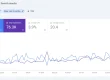
Track AI traffic properly. In Google Analytics, most AI referrals get scattered across "direct" and "referral." Setting up a custom channel that groups the AI tools together lets you actually see visits coming from them — and that number is only going one way.
Watch branded searches. One of the biggest effects of AI recommendations isn't a click from the AI — it's someone hearing about you there, then Googling your name directly. A rise in people searching your shop by name is often AI doing its work behind the scenes.
The dive shop AEO/GEO checklist
- FAQ and question-based content that answers what divers ask
- Clear, factual info: location, courses, prices, seasons, sites
- Consistent name/address/phone + a complete Google Business Profile
- Structured data (schema) so AI understands your business
- Mentions, reviews, and links across trusted scuba sites
- Strong traditional SEO as the foundation underneath it all
The bottom line
AI search is still early — which is exactly why now is the moment to act. The dive shops that get their content clear, their information consistent, and their name spread across the web today are the ones AI will confidently recommend tomorrow. It's the same instinct good SEO has always rewarded — be genuinely useful and easy to understand — just aimed at a new kind of reader.
Want Your Dive Shop Built to Get Found by AI?
We build dive shop websites and content with SEO, AEO, and GEO baked in from the start — clear, structured, and made to be recommended. Let's get you found.
Get Your Free Marketing Review